
Request a trial
Tell us about your wrestler. Staff will confirm the session and any required forms.
No wrestling experience? You're in the right place. Give your child a chance to learn, move, and find their team. Start with one free practice.
Boys and girls · Grades K–12 · Beginners welcome
See what the first visit looks like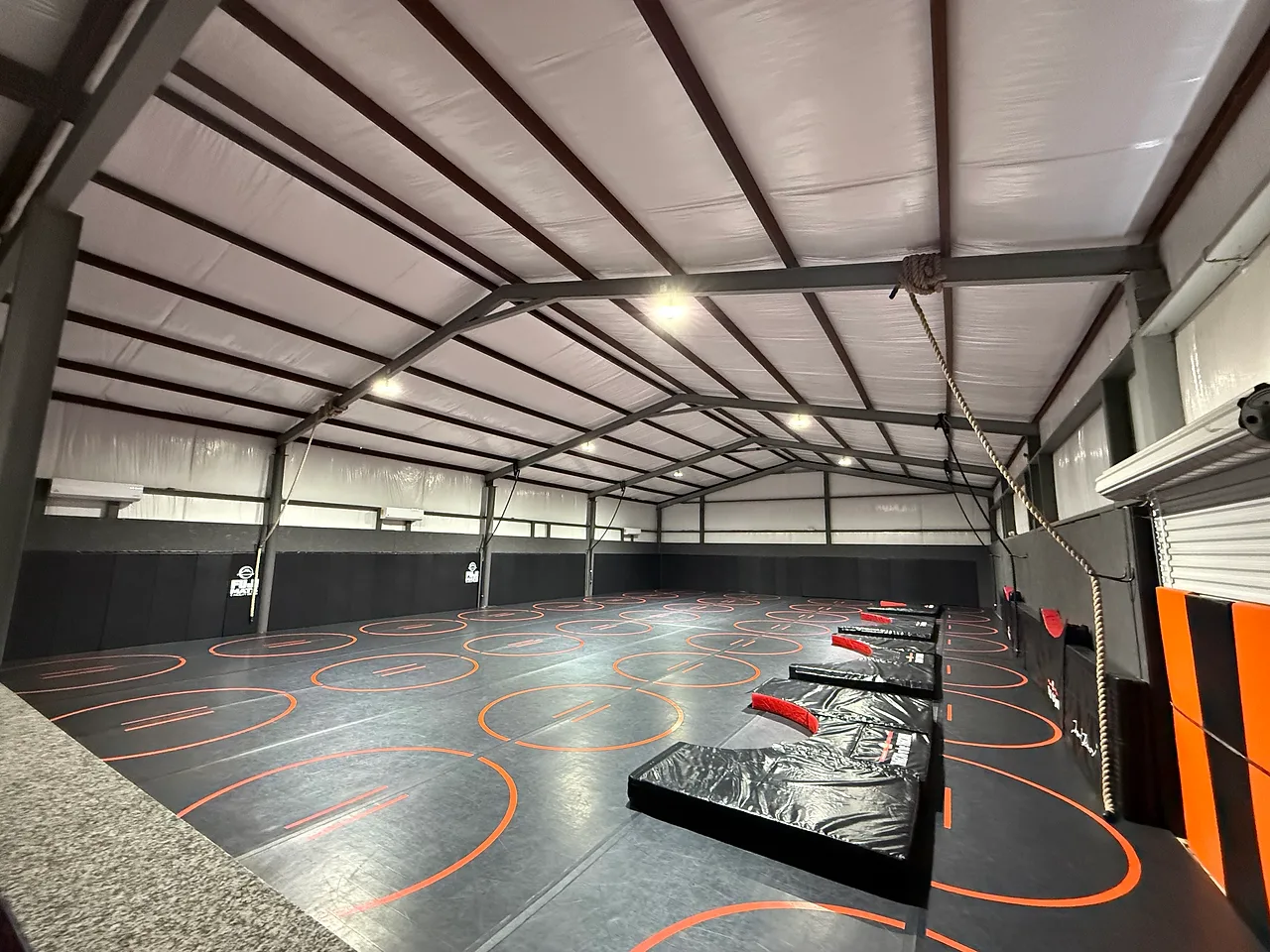
Tell us about your wrestler. Staff will confirm the session and any required forms.
Bring comfortable clothes and water. Let a coach know it's your child's first day.
Experience the room, ask questions, and explore membership when you're ready.
You don't have to know the rules or have a future champion in mind. Start by helping your child feel comfortable trying something new.
Meet the coachesThat's a starting point, not a barrier. Coaches teach stance, movement, and basic positions before building toward more advanced skills.
Coordination, balance, and strength develop through practice. Your child can start learning without already being an experienced athlete.
Start with a free trial. Meet the staff, experience a practice, and decide whether the club feels right for your family.
Wrestling is a contact sport. Coaches teach technique, introduce live wrestling gradually, and match partners by size and experience.
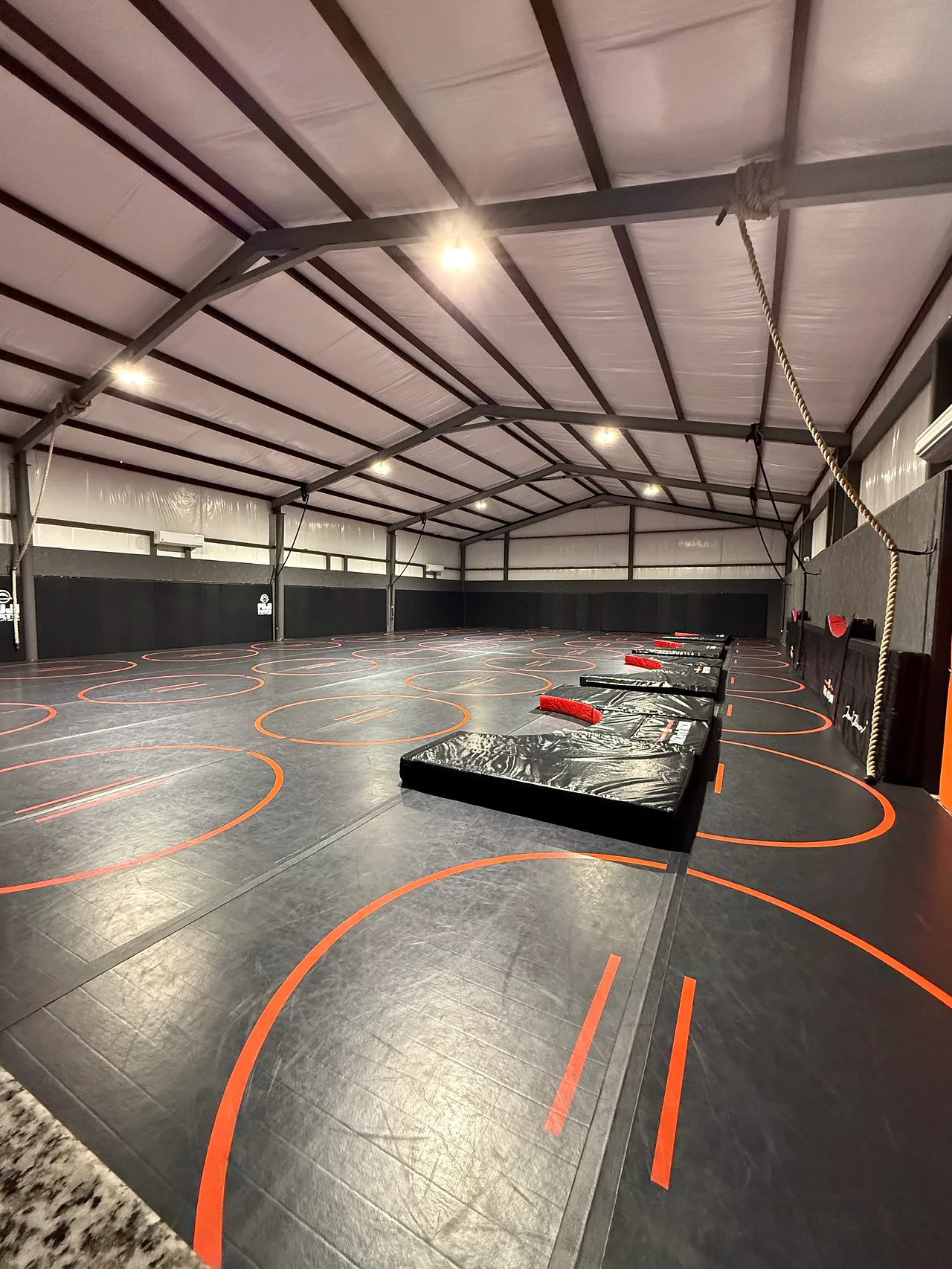
1 / 3
Every wrestler learns at a different pace. These are milestones to work toward, rather than a fixed weekly timeline.
Meet the coaches, learn the shape of a practice, and start with stance, motion, and position.
Build a foundation with basic takedowns, escapes, and partner drills. Small improvements matter.
Coaches introduce controlled live wrestling as your wrestler becomes ready, with partners matched by size and experience.
Keep building skills and confidence. When your wrestler is interested and ready, talk with the coaches about competition.
Swipe to explore each stage
No need to buy wrestling gear before the trial. Staff can answer equipment questions when they confirm your visit.
Monday through Thursday. Choose by grade, not experience.
5:30 – 6:30 PM
7:00 – 8:45 PM
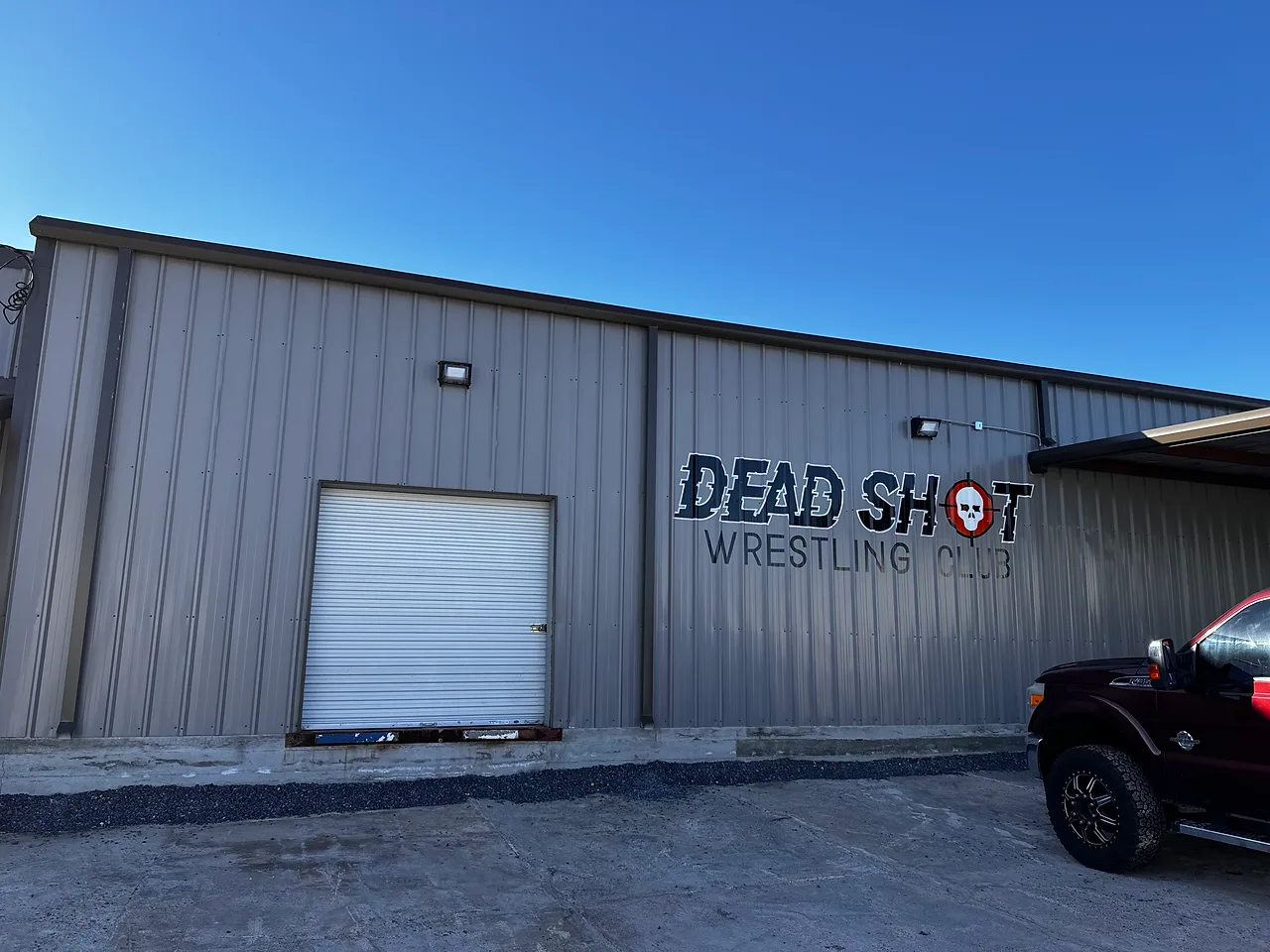
1719 N Mayberry Rd, Alton, TX
Request your free trialExplore monthly membership for your family, or start with a free trial before deciding.
One flat rate per wrestler — no separate pricing by skill level. Every additional wrestler in the same family is 50% off. Monday-Thursday. Elementary 5:30-6:30 PM
Membership signup starts with your family account and email verification.
Almost certainly not. We regularly start freshmen and sophomores who have never wrestled, and they close ground fast because they are stronger and more coachable than a seven-year-old. Starting late means a steeper first season, not a closed door.
Kindergarten. The elementary block covers grades K–5, and the first months are mostly stance, motion, and learning how to fall safely. Younger kids progress slowly and that is expected — the point at that age is comfort on a mat.
Wrestling builds athleticism rather than requiring it. Weight classes mean your wrestler competes against someone their own size, which is why kids who struggled in other sports often find this is the one that fits.
Nothing for a first practice — shorts, a t-shirt and a water bottle. Wrestling shoes come once they are committed, and they are the cheapest footwear in youth sports. Headgear after that. The coaches will tell you when.
Wrestling is a contact sport and injuries happen, as in any sport. What lowers risk is coaching: technique taught before live wrestling, controlled situations, and partners matched by size and experience. That is a standard, not a rule we bend when the room is busy.
There is no set timeline and no pressure. Some wrestlers enter an event within a couple of months; others train a full year first. When a wrestler wants to compete, the coaches will say honestly whether they are ready.
Then they stop, and that is a fine outcome. The free trial exists so nobody commits to something they have not seen, and membership is month to month so a change of mind is not an expensive mistake.
Try one practiceRequest a free trial. We'll help your family take the first step.