College-style training
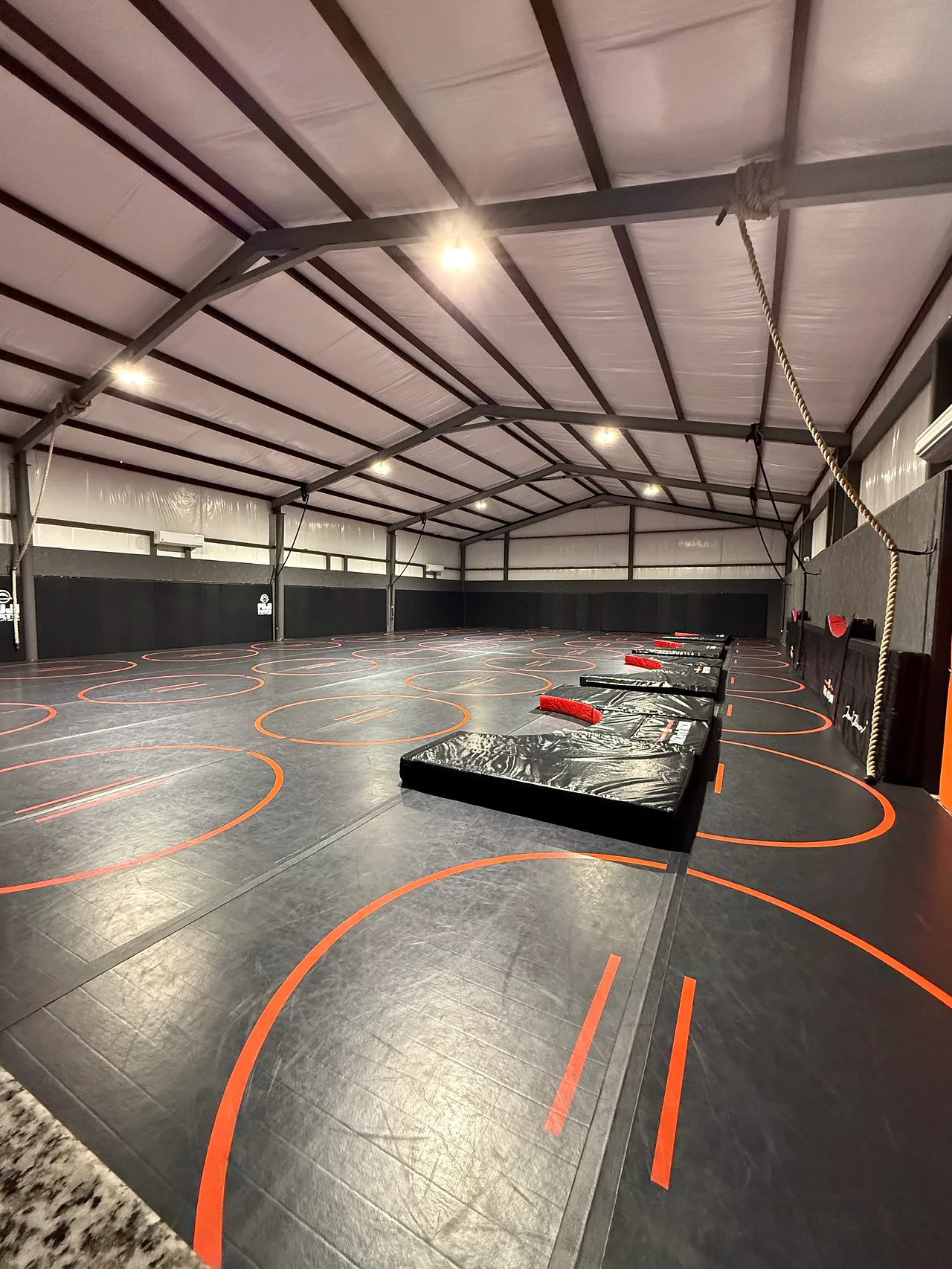
Practice intensity, structure, and expectation modeled on a college room. Wrestlers in Collegiate Prep train like college athletes before they get there.
For high school wrestlers with college on their mind. Build a plan around technical development, training habits, academics, and recruiting preparation.
Start with your goals. Find the right next step with our coaches.
Explore collegiate commitments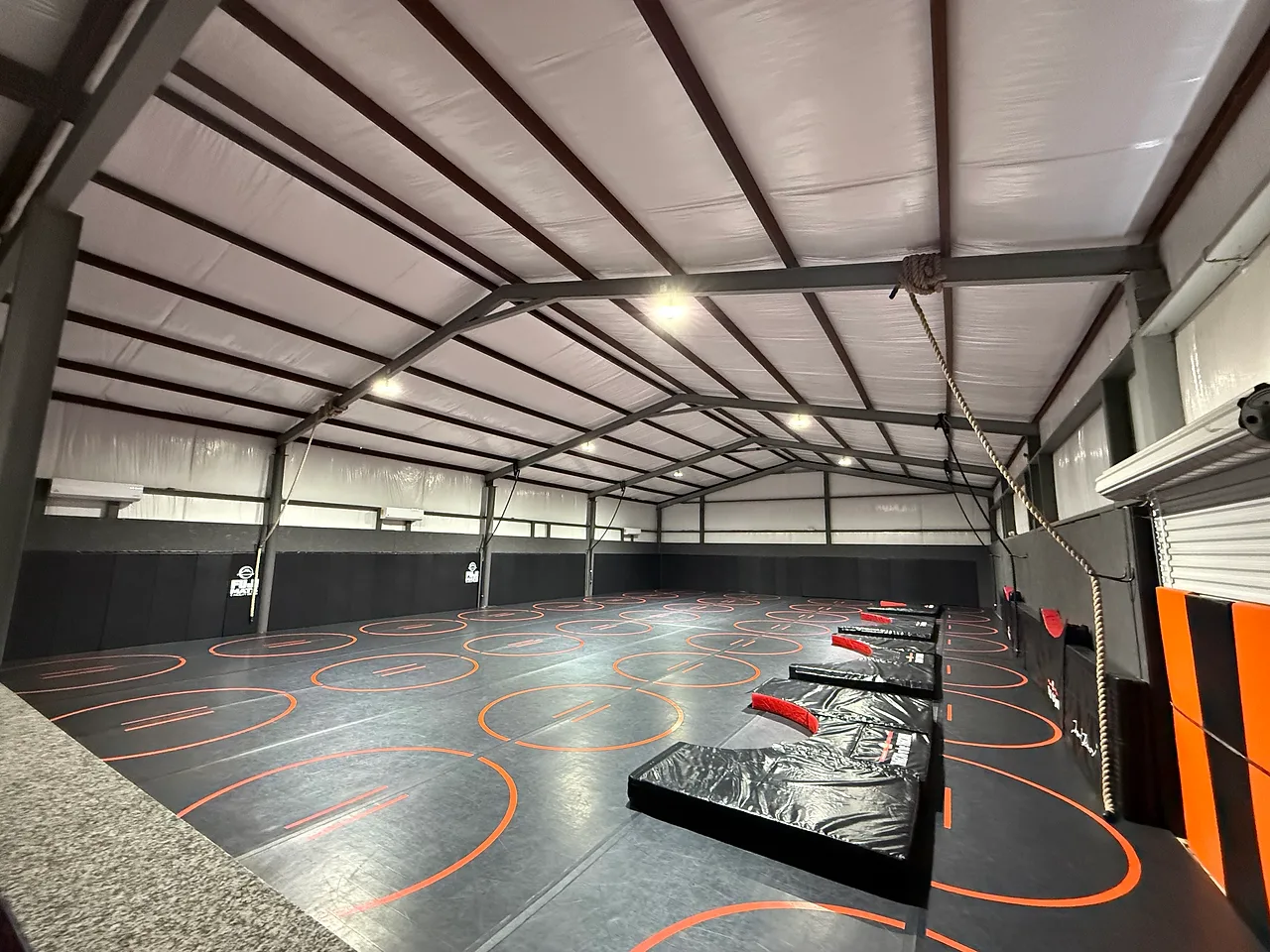
Preparing for college wrestling means looking beyond individual results. It takes technical work, consistent habits, academic focus, and honest conversations about fit.
Talk with staff about readiness and the right training path for your athlete.
Practice intensity, structure, and expectation modeled on a college room. Wrestlers in Collegiate Prep train like college athletes before they get there.
A dedicated strength and conditioning program designed by a certified S&C specialist, built around the demands of college wrestling.
Direct guidance from our coaching staff on recruiting — Division I, II, and III. Highlight film, outreach to college coaches, and honest fit conversations.
College wrestling starts in the classroom. We hold Collegiate Prep wrestlers to academic expectations because eligibility is part of the job.
Collegiate Prep wrestlers compete on a regional and national schedule that gets them in front of college coaches and against college-level competition.
Every Collegiate Prep wrestler has an individualized development plan — technical priorities, strength goals, competition schedule, and recruiting targets.
Share your wrestling experience, graduation year, academic priorities, and college goals.
Work with coaches to discuss technical gaps, training habits, and areas to develop.
Discuss highlight film, communication with college coaches, and programs that may fit.
Keep checking progress as your skills, results, academics, and goals develop.
Swipe to explore each stage
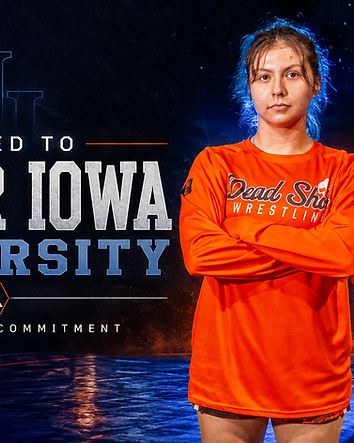
Explore the Dead Shot athletes who have committed to continue their wrestling careers in college.
1 / 3
You don't need every answer before reaching out. Tell the staff where you are today and what you want to work toward.
Meet the coaching staffTraining and guidance support preparation. College admission, roster places, and scholarships depend on each college's decisions.
A track for high school wrestlers seriously pursuing college wrestling: college-style practice intensity, a strength and conditioning program, academic accountability, a competition schedule that puts them in front of college coaches, and an individual development plan.
Earlier than most families do. Sophomore year is a good time to have the first honest conversation about level, weight class and academics. Waiting until senior year means competing for the spots nobody else took.
No, and be careful with anyone who says otherwise. Roster spots, admission and money depend on the athlete, the program and the year.
What we control is development, a competition schedule where results get recorded, honest fit conversations, and help building the film and record a college coach will ask to see.
It decides which schools can even talk to you. Academics narrow the list before a coach ever watches film, and at the Division III level admission and financial aid are the whole conversation. We hold Collegiate Prep wrestlers to academic expectations for that reason.
Yes. Our staff guides wrestlers on what belongs in a highlight film, which programs are a realistic fit across Division I, II and III, and how to reach out to coaches. The wrestler does the work; we make sure it is aimed at the right targets.
The number of colleges offering women's wrestling has grown quickly in recent years, and the recruiting path is the same: compete where results are recorded, build film, keep grades up, and start the conversation early.
Girls wrestlingConnect with the coaching staff about your wrestler's goals and the right starting point.
