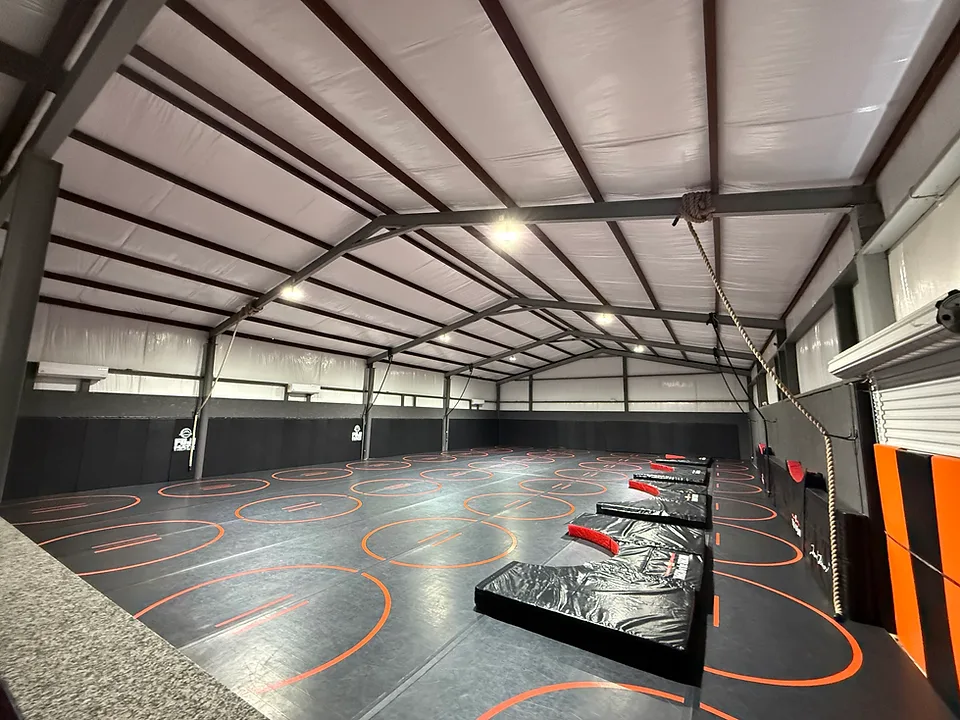
Learn the language a little at a time
Your child may return from practice talking about a stance, an escape, or a bracket. You do not need to become a referee to support them. A few common terms can make conversations with coaches and your wrestler easier.
This glossary explains everyday usage. It does not replace a rulebook, and scoring or restart details vary by wrestling style and event. The Texas USA Wrestling newcomer guide links to introductory rules information. For school competition, the UIL wrestling manual is a useful official starting point.
Positions you will hear in practice
Stance: A balanced, ready body position from which a wrestler can move, defend, and begin an attack. Coaches teach the details through repeated practice.
Neutral: A position in which neither wrestler has established control over the other. Parents often hear this word when both athletes are wrestling from their feet.
Top: The wrestler in the controlling position during mat wrestling. Being on top describes a wrestling position, not simply who appears physically higher.
Bottom: The wrestler underneath the opponent’s control in mat wrestling. Learning to move from this position is an important part of folkstyle training.
Base: A stable foundation for movement. Coaches may use the term when helping a wrestler maintain balance or build their position on the mat.
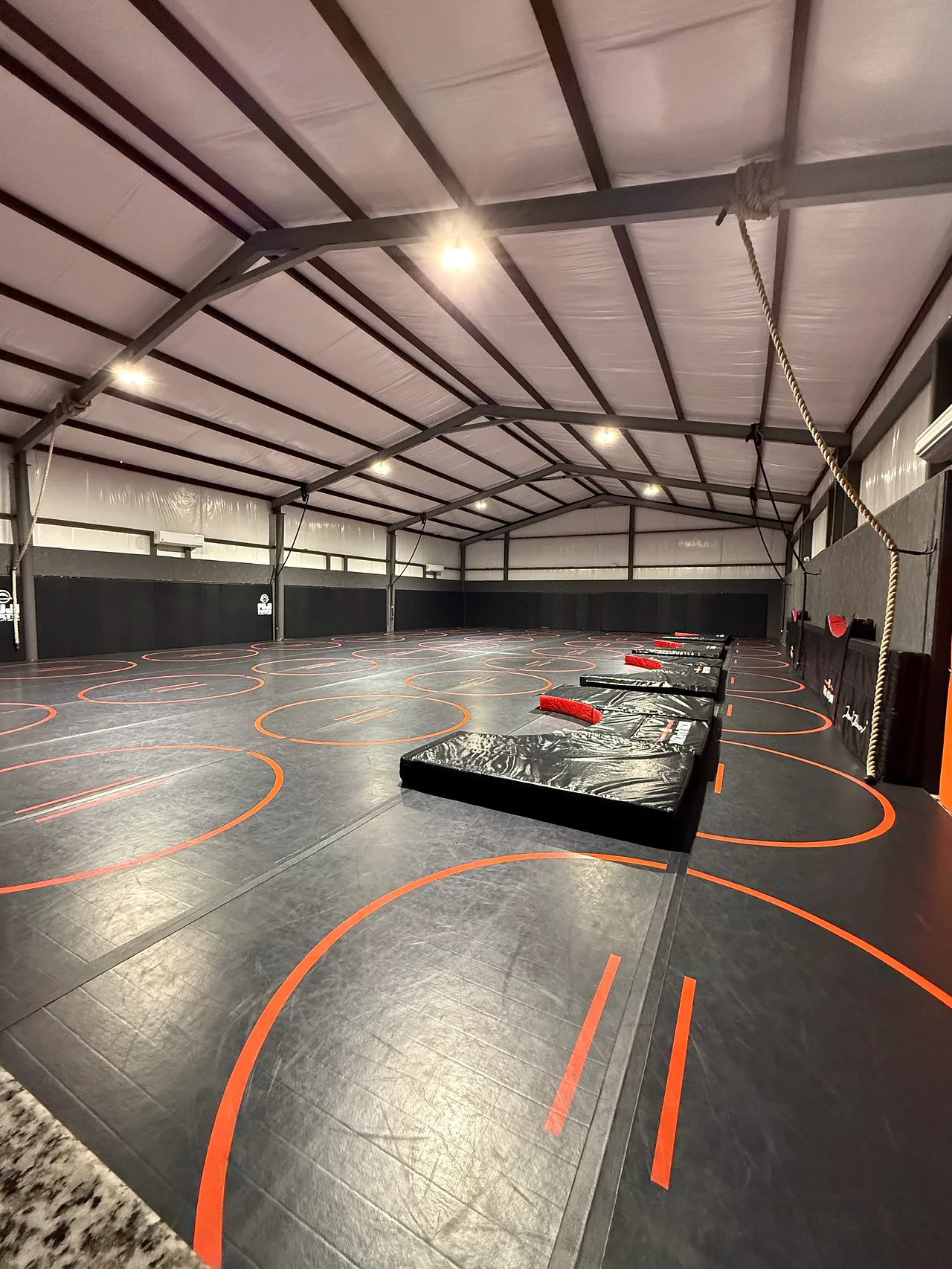
Common match actions
Takedown: Moving from a neutral situation into control of the opponent. The exact scoring criteria depend on the applicable rules.
Escape: Getting free from an opponent’s control into a neutral situation in folkstyle.
Reversal: Changing from being controlled to gaining control of the opponent in folkstyle.
Pin or fall: An action involving the opponent’s shoulders held against the mat according to the rules. A confirmed fall ends the match.
Shot: A common coaching word for an attempt to attack an opponent’s legs. Leg attacks belong to some wrestling styles; they are not permitted in Greco Roman.
Sprawl: A defensive movement often used against a leg attack. Your coach can explain how it fits the technique your child is learning.
Hand fighting: Using hands and positioning to create an opening or manage an opponent’s attack. It is a skill practiced within the sport’s rules.
Tournament words
Bout: One wrestling match. A bout number may help a family track when an athlete is expected to wrestle.
Bracket: The arrangement of matches within a competition group. The format can differ between events.
Division: A grouping established by the organizer, such as an age, experience, or other competition category.
Weigh in: The event’s process for checking a wrestler’s weight for competition. Follow the organizer’s instructions and ask the coach how the process works.
Mat assignment: The designated competition mat for a bout. Schedules can change, so use the event’s official system.
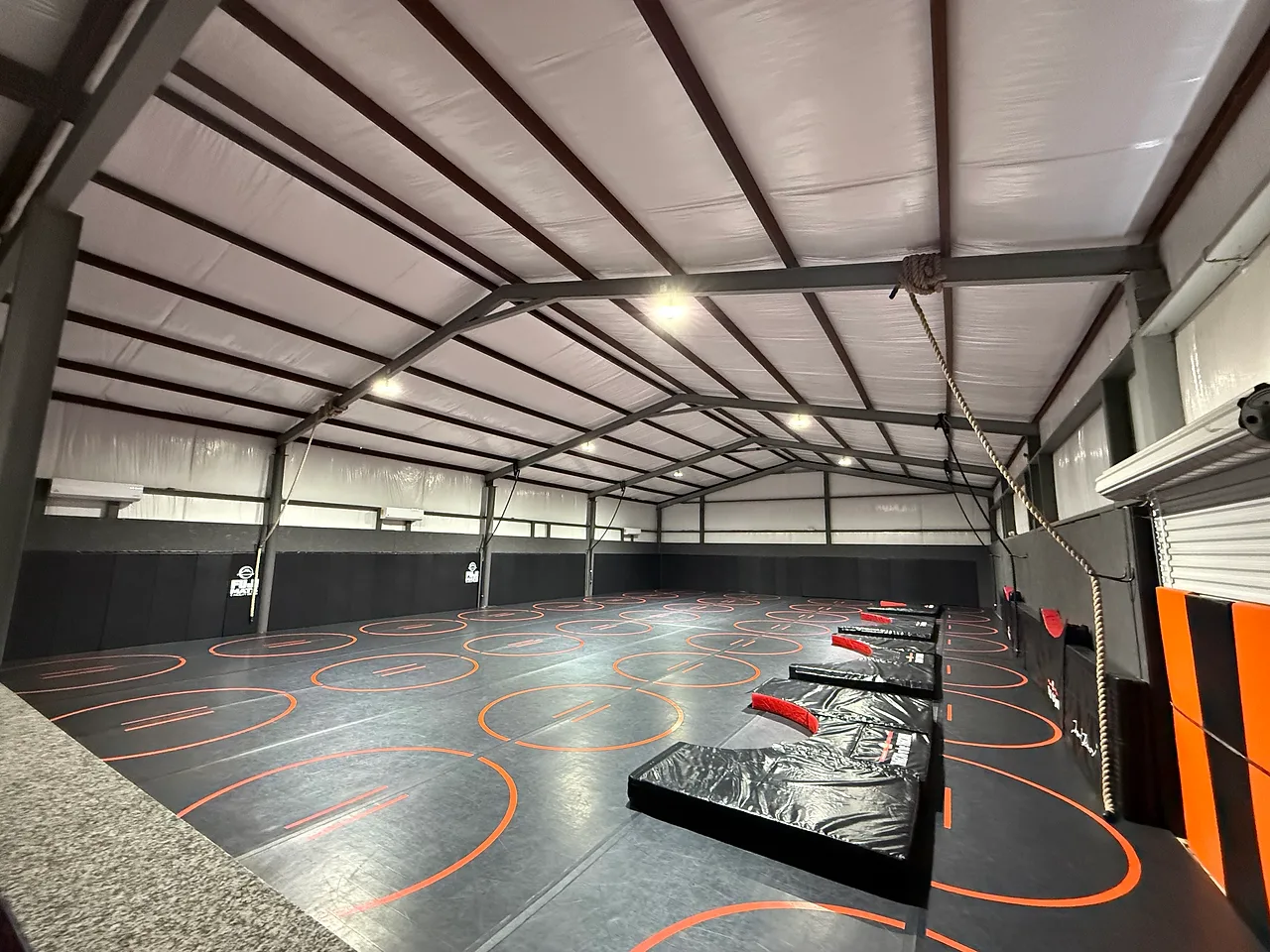
Three questions that help the words stick
Ask your child to choose one term after practice and explain it in their own words. Then ask: “Where did you use it today?” If the answer is confusing, save the question for the coach. Children should not need to demonstrate unfamiliar moves at home for the family to understand them.
For a tournament, keep our first tournament checklist alongside this glossary. For a new season, read about folkstyle, freestyle, and Greco Roman.
Bring your questions to the room
Families in Alton, Mission, and McAllen can explore beginner wrestling and girls wrestling at Dead Shot. Visit the parent resource page for official links, or request a free trial to meet the staff.