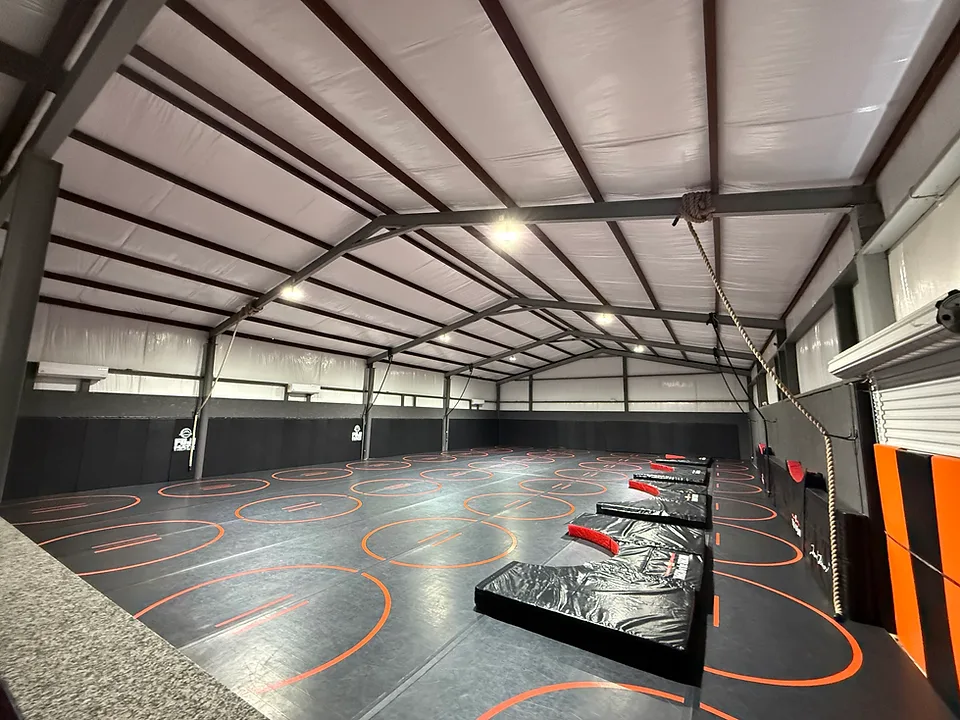
One sport, different rule sets
Families often hear “wrestling season” as though every event uses the same rules. Wrestling has several styles, and a tournament’s style affects the techniques, scoring, and match procedures athletes need to understand. Ask which style an event uses before registering.
The purpose of this guide is to help you ask better questions. Coaches should teach the specific rules and techniques appropriate to your child’s event. Our wrestling terms glossary can help with the basic vocabulary.
Folkstyle: a familiar school pathway
Folkstyle is the style families commonly encounter in United States school wrestling. Control and the ability to escape or reverse an opponent’s control are part of the match. Athletes learn skills from their feet and from top and bottom positions.
Texas school families can use the UIL wrestling manual to find official school competition information. Read the current material for the relevant season instead of relying on a scoring chart saved years ago.
For a beginner, the useful question is not “Which style is easiest?” It is “Which rules are the coaches teaching in this session, and where will my child use them?”
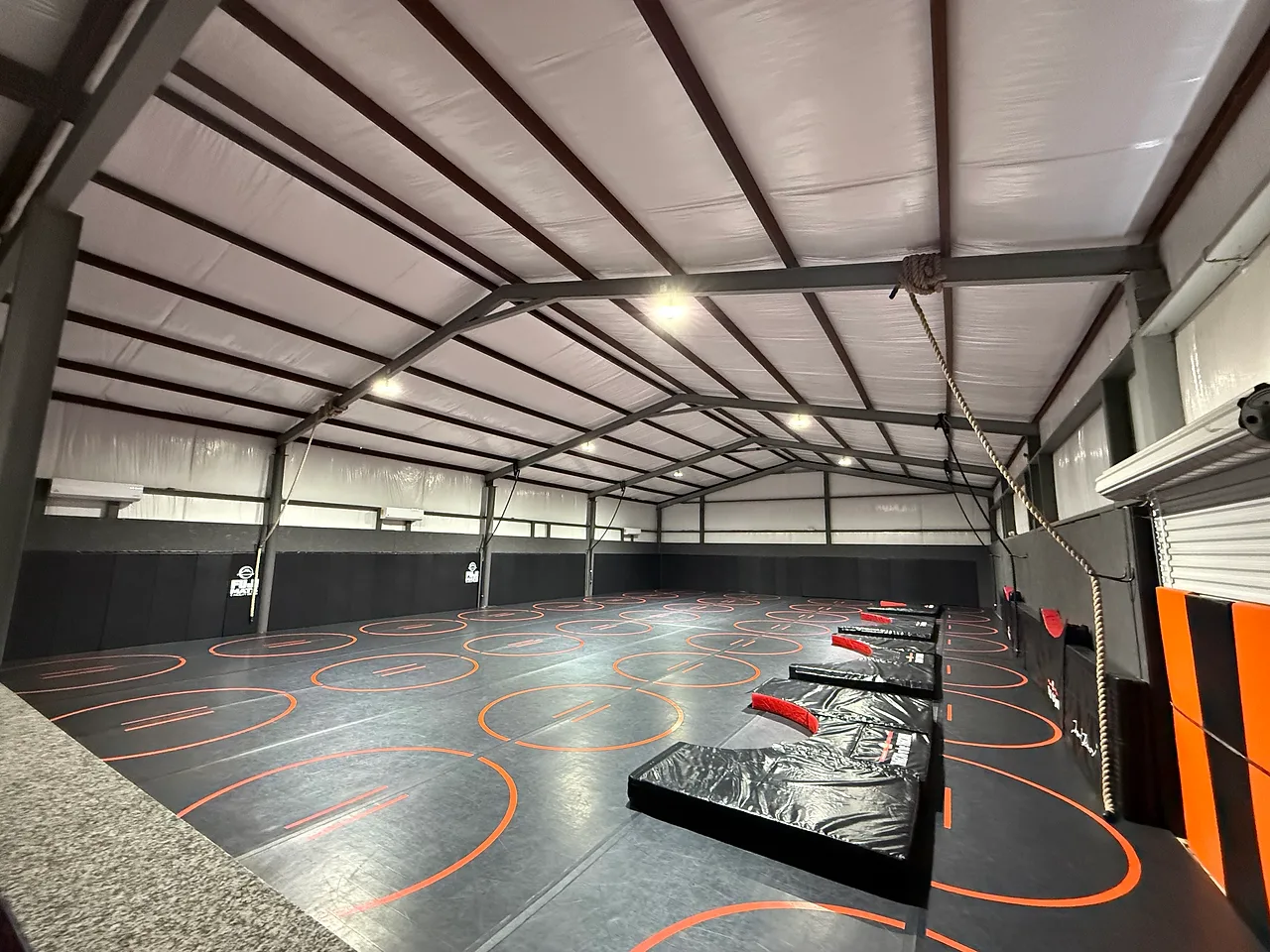
Freestyle: another way to develop wrestling
Freestyle is an international wrestling discipline that permits attacks involving the legs. Exposure of an opponent’s back is part of its scoring approach. It has procedures that differ from folkstyle, so athletes need instruction when moving between the two.
United World Wrestling’s discipline overview introduces the international styles. Use it to understand the broad distinctions, then use the event’s actual rules for competition details.
Skills such as balance, movement, and awareness can matter across styles. Still, familiarity with one style should not be treated as complete preparation for another. Ask the coach what your child should learn before entering a different format.
Greco Roman: an upper body focus
Greco Roman focuses on upper body wrestling and does not permit leg attacks. It offers a different technical problem for athletes accustomed to attacking the legs. The UWW overview explains this central distinction.
Parents do not need to coach a transition themselves. Ask whether a particular practice includes instruction for that style and whether the coach recommends an appropriate event. A new ruleset can be interesting without needing to become the family’s immediate competition plan.
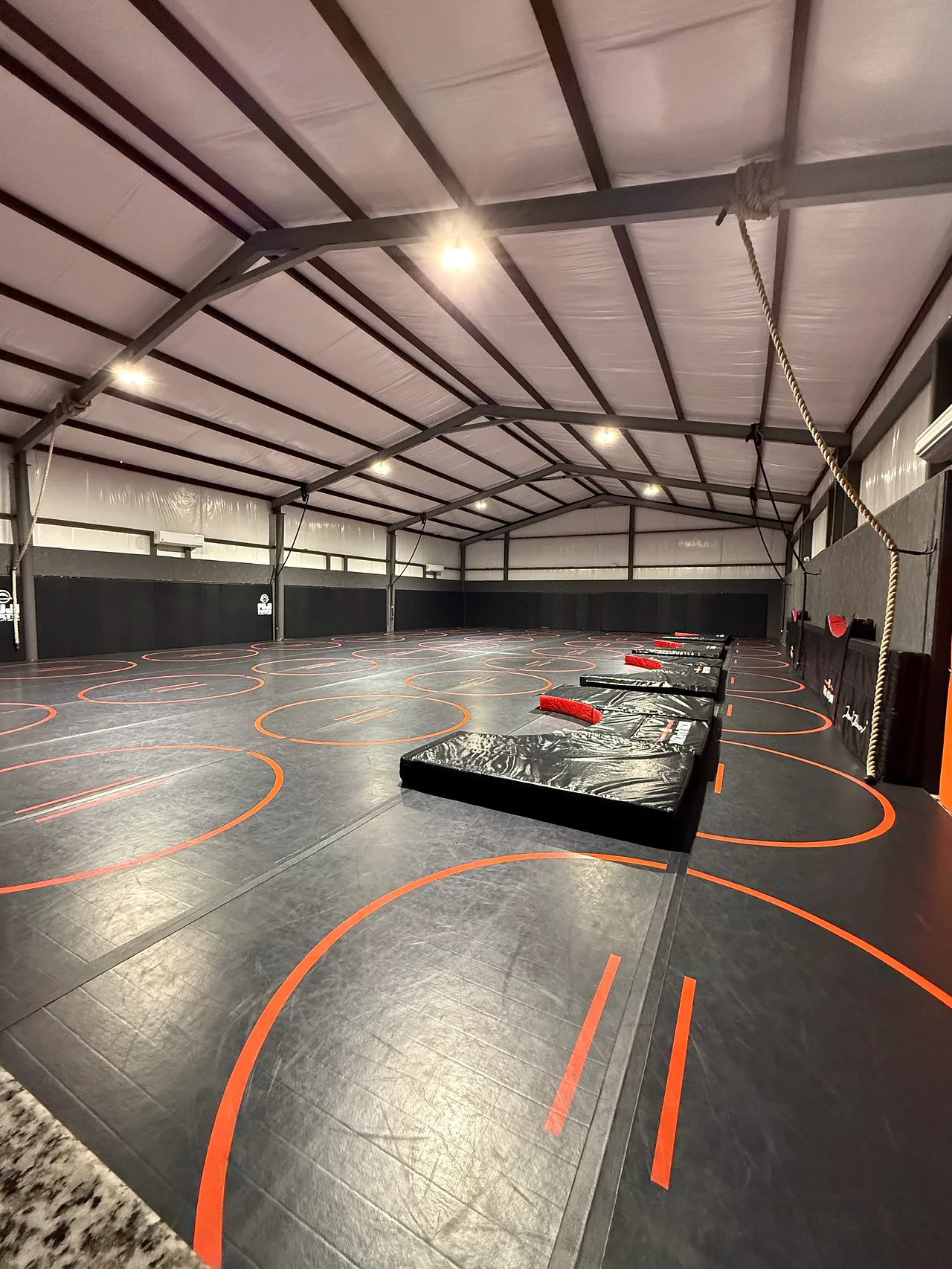
Where girls wrestling fits
International women’s wrestling uses freestyle. Girls may also encounter folkstyle through school or other programs in the United States. A girls division is not, by itself, enough information to tell you the ruleset: check the event details.
For a new wrestler, belonging in the room and having clear instruction matter alongside the style being taught. Read our guide to girls wrestling and explore the girls wrestling program.
Questions before a new season or event
- Which wrestling style is this session preparing athletes for?
- What should a wrestler already understand before joining?
- Will the coach explain differences from the style my child knows?
- Which events fit my child’s current experience?
- How will practice and competition fit the school calendar?
Record the answers in our school and practice planner. This helps a family make a deliberate choice instead of adding every available event.
Choose a useful next step
RGV families can browse Dead Shot’s programs, check the practice schedule, and use the parent resource page for official links. If your child is new, request a free trial and ask the staff which session fits.