A young wrestler does not need a college recruiting plan before learning a stance. Early development should leave room for curiosity, enjoyment, and discovering what the athlete wants from the sport.
As a wrestler gets older, a college goal can become more concrete. Families can then connect athletic preparation with academic habits, research, and conversations about what a good school fit looks like.
For RGV families exploring college wrestling, the first step is understanding that athletics is one part of a larger decision.
Build the foundation before chasing a recruiting result
Technical development takes practice. An athlete needs opportunities to learn, use feedback, and understand what changes as competition becomes more demanding.
Ask a coach which skills need attention now. A useful plan explains the next stage instead of promising a distant outcome.
For a younger athlete, consistency might mean showing up ready and participating well. For a high school wrestler, it might include a more deliberate conversation about competition goals and areas for improvement.
Keep academics in the plan
A family considering college should talk about schoolwork as part of preparation. A practical routine can include checking assignments, asking for help early, and planning around travel.
Academic admission and athletics eligibility requirements differ by school and governing body. Verify current requirements through the institutions and organizations that apply to your athlete.
Do not assume that a strong athletic record resolves admission or eligibility questions. Ask school counselors for help with course planning and keep the student’s academic interests central to the college search.
Make the athlete part of the conversation
An athlete’s reasons for wanting college wrestling may change. Ask what they want to study, what kind of campus interests them, and how they feel about combining sport with college responsibilities.
A parent can organize information without making every decision. Over time, the student can practice asking clear questions and communicating respectfully with the people helping them.
A good college discussion should include the whole experience: education, location, finances, support, and the athlete’s interest in the team.
Document progress without turning every match into an audition
As a high school wrestler explores recruiting, organized match footage and accurate results can help explain their experience. Ask coaches what material would be useful at the athlete’s current stage.
Label videos clearly, keep records factual, and avoid presenting a highlight reel as a complete picture of an athlete’s development.
Follow the current recruiting rules that apply to each college and governing body. Timing, communication, and eligibility details should be checked rather than assumed from another family’s experience.
Girls have a visible college wrestling milestone
In March 2026, the NCAA held its inaugural National Collegiate Women’s Wrestling Championships. For girls exploring a future in the sport, that milestone makes one college pathway more visible.
Families should still research individual programs. The existence of a championship does not establish that a particular school has a suitable opening or scholarship for an athlete.
The same careful questions apply: academic fit, coaching environment, roster opportunities, total cost, and the student’s goals.
Questions to bring to your coaches
- Which skills should the wrestler focus on this season?
- What competition experience would support their development?
- When would it be useful to organize match footage?
- How can training fit around school responsibilities?
- What should the family research directly with colleges?
- Which assumptions about recruiting or financial aid need verification?
The answers should create a manageable plan. They should also leave room to revise it as the athlete develops.
Explore the pathway at Dead Shot
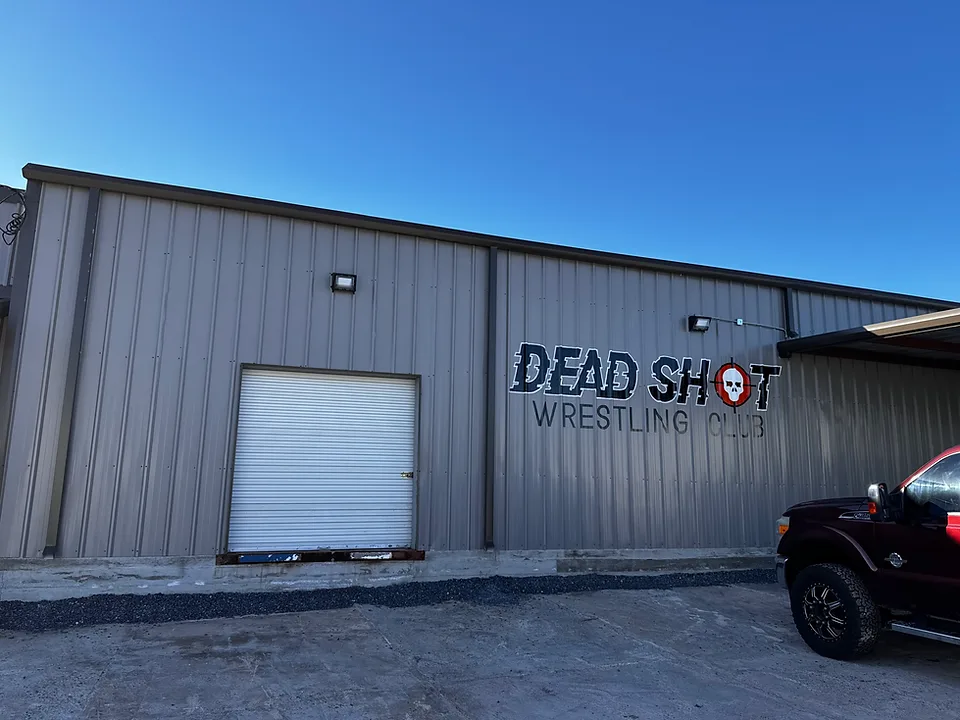
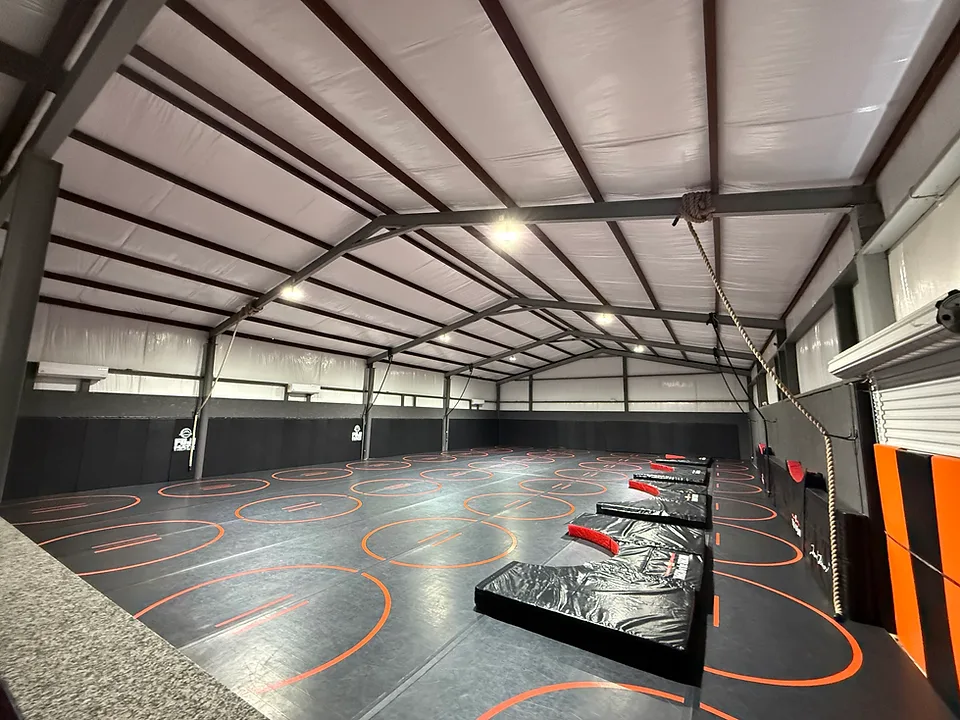
Dead Shot Wrestling Club offers collegiate preparation alongside its broader training programs. Families can also review collegiate commits and club achievements to understand the results recorded on the website.
Start with a conversation about your athlete’s current level. Contact the club or request a free trial if your family is new to the room.
Common questions
Does club training guarantee a college roster place?
No. Colleges make their own recruiting and admission decisions. Training supports development, but placement is not guaranteed.
Is a scholarship the only way to keep wrestling?
Financial aid and team opportunities vary. Research the actual school and program rather than treating every college option as the same.
Further reading
NCAA: The first women’s wrestling champions and the sport’s future
Read the path from the RGV to college wrestling for another perspective on preparation.