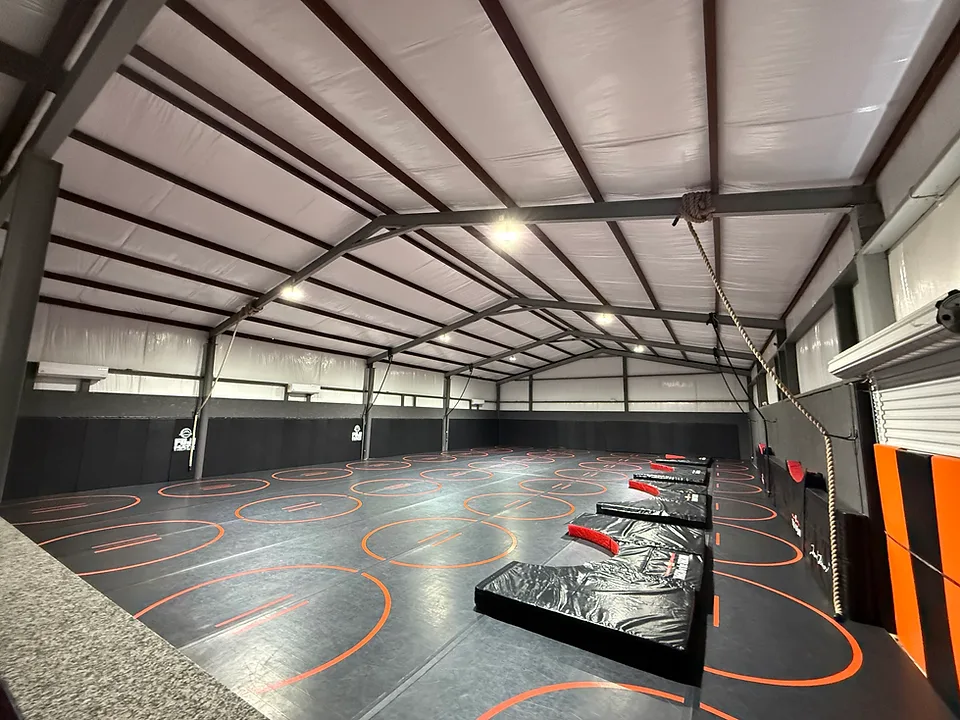
Your child does not need to arrive with tournament experience or a perfect takedown. For a beginner, wrestling starts with learning how to move, listen, work with a partner, and try again when a technique feels unfamiliar.
For families looking for wrestling for kids in the Rio Grande Valley, the first question is whether a club offers an appropriate starting point. A good first experience helps a child understand the sport while giving parents room to ask questions.
What kids learn before they compete
Early training should introduce positions and movement in manageable steps. A child might work on a balanced stance, moving their feet, getting into a safe starting position, and understanding how a coach demonstrates a technique.
Partner drills also teach cooperation. One wrestler practices while the other helps create the right situation. Learning to be a reliable partner matters just as much as learning to score.
Ask how coaches adjust instruction for age, experience, and readiness. Younger children may need shorter explanations and more repetition. A high school beginner may understand instructions quickly while still needing time to learn the movement.
Confidence comes from small, visible improvements
Confidence can grow when a child notices something they can do today that they could not do last week. That might mean remembering a sequence, asking a coach a question, or completing a drill with more control.
The American Academy of Pediatrics describes confidence and concentration as potential benefits of sports participation. That is broader guidance about youth sports, rather than a promise that wrestling will produce the same result for every child.
A useful parent question is: “What did you learn today?” It invites a conversation about progress without making a win the only thing worth discussing.
How to choose a wrestling club for your child
Watch a practice and ask about the details that affect your family:
- How are beginners introduced to the group?
- How are training partners selected?
- What equipment and forms are needed for a first visit?
- How do coaches explain expectations and correct mistakes?
- How will you know when your child is ready to consider competition?
- Who should you contact about attendance, scheduling, or concerns?
Look for clear answers and a child who feels able to speak up. A busy room can still be welcoming when the staff explains what happens next.
What to expect from a first practice
Start with the club’s instructions rather than buying every piece of gear immediately. Ask about clothing, wrestling shoes, required paperwork, arrival time, and whether a parent can observe.
Set a simple goal with your child: listen, try the drill, and ask for help when needed. The first practice is an introduction. It should not have to settle every question about their athletic future.
Afterward, ask what felt interesting, what was confusing, and whether they would like another visit. A quieter child may need time to answer.

Getting started at Dead Shot
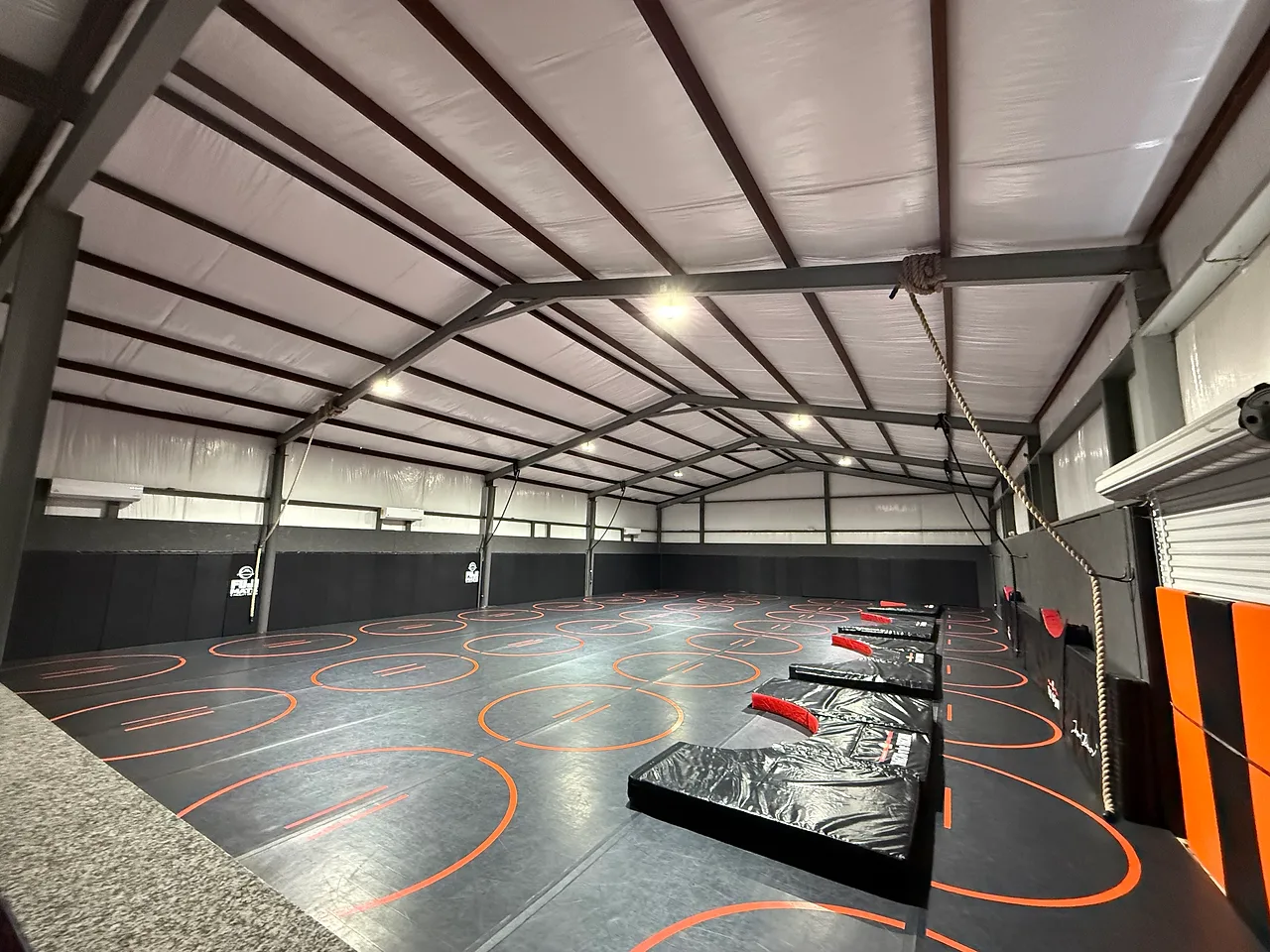
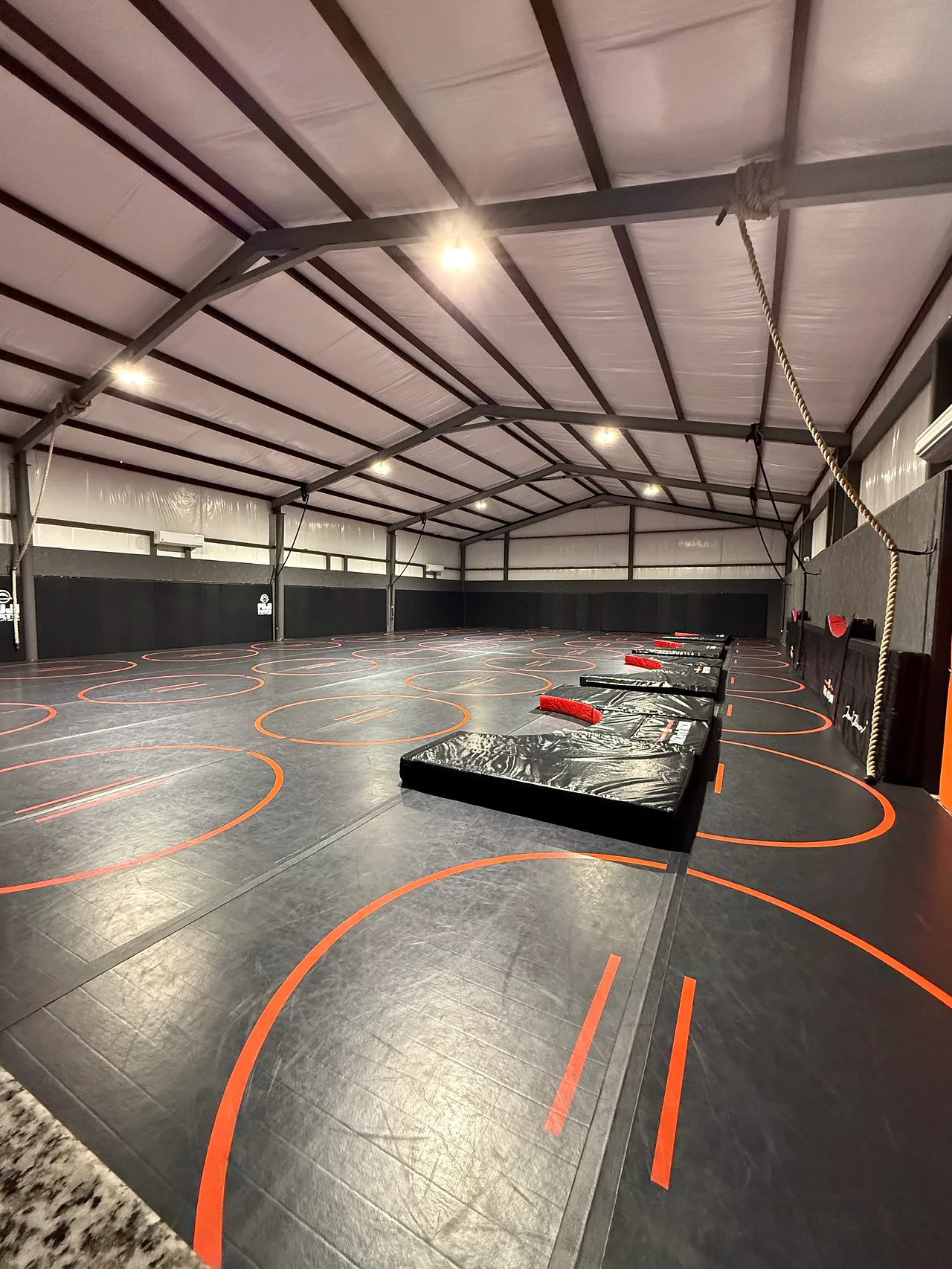
Dead Shot Wrestling Club is based in Alton and serves families from Mission, McAllen, and surrounding RGV communities. Our values of purpose, responsibility, and gratitude give families a way to talk about progress beyond the scoreboard.
Explore beginner wrestling, compare programs, and check the current schedule. If your child wants to see the room, request a free trial and let staff confirm the appropriate session.
Common questions from parents
Does my child need experience?
You can ask about beginner training without previous wrestling experience. Staff can help identify the right starting group.
Does a beginner have to compete immediately?
Ask the coaches about the pathway and expectations. Readiness, interest, and experience should be part of that conversation.
What should I measure in the first month?
Look at comfort in the room, participation, listening, and a willingness to keep learning. Those observations are more useful than expecting instant tournament results.
Further reading
American Academy of Pediatrics: Mental skills children need for sports
For another family guide, read how to prepare for your first wrestling practice.